

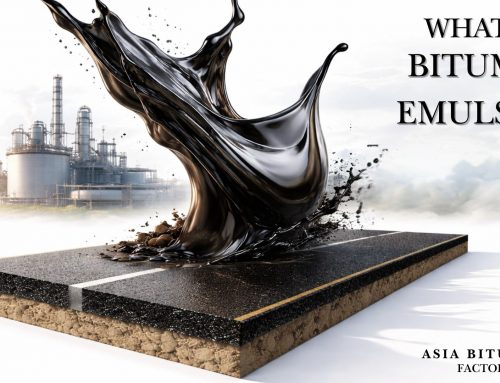
Anionic Bitumen Emulsion is a waterborne product, where the Bitumen is finely and stably dispersed in water by means of an anionic Bitumen emulsifier. The Bitumen particles are given a negative electrical charge by the emulsifier, ensuring that they repel each other and are uniformly dispersed in water at normal temperatures. Anionic Bitumen emulsions are easy to use and handle due to the water content, as opposed to hot Bitumen and the product breaks in addition leaves a tacky Bitumen residue on drying on a mineral aggregate or by the evaporation of water, as in the case of Bitumen.
Anionic Bitumen Emulsion Main Properties
Anionic Bitumen emulsions are usually smooth, easy to pump and remain stable during storage when they are properly produced. The Bitumen droplets are very fine, normally ranging from 1 to 10 microns in size. Depending on the formulation, these emulsions can be designed to break quickly, moderately or slowly based on the specific project requirements.
Performance factors include viscosity which affects spraying and application, storage stability to ensure the emulsion does not separate over time, the amount of bitumen residue left after water removal and demulsibility which shows how fast the emulsion breaks when it comes into contact with aggregates or water.
Anionic Bitumen Emulsion Uses
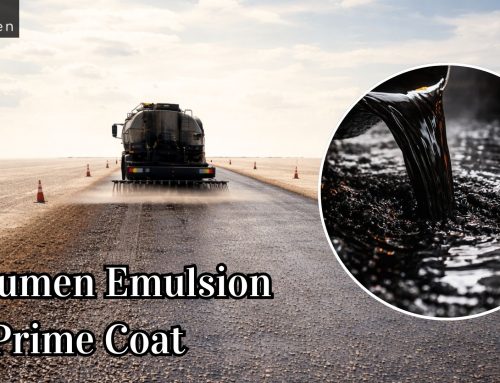
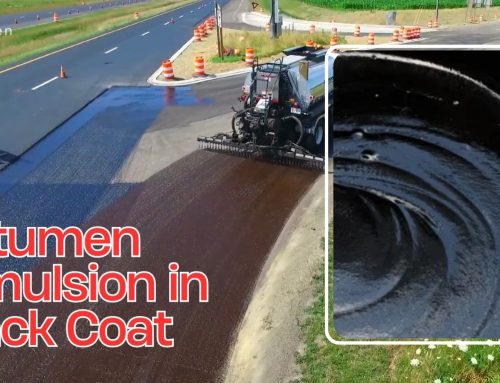
Usage of Anionic Bitumen Emulsion is wide in road construction includes Chip seal, Tack coat between asphalt layers, prime coat on unbound bases and cold mix asphalt also slurry seals.
Rapid breaking emulsions are often used for tack coats chip sealing while slower breaking grades suit cold mixes and soil stabilization where longer working time is needed.
Anionic Bitumen Emulsion Advantages
Because anionic Bitumen emulsions are water based, heating is minimized and reducing emissions plus energy consumption.
They are also safer for storage and can be applied in cool weather rather than requiring the application temperature of hot bitumen. The different breaking characteristics make it possible for engineers to choose the correct anionic emulsion for adhesiveness plus curing time also application temperatures.
How to Use Anionic Bitumen Emulsion
For its effective use, the right grade needs to be chosen, considering breaking speed and residue hardness, and the surface preparation needs to be adequate. Temperature and handling conditions also need observance for maintaining stability. Tests also need to be conducted on porous and acidic aggregates, as the anionic charge in the product is said to interact with certain minerals.
Leave A Comment