

Tack Coat Process
Tack coating is the thin layer of bituminous binder used between the existing road surface and the new layer of asphalt and it is essential for the modern construction of roadways, particularly for the development of the structural integrity of asphalt roadways so it helps prevent slippage between the different layers of the road. When the tack coat is applied correctly, the different layers of the asphalt road function like one piece of material. This greatly enhances the durability of the road. If the tack coat is not applied correctly, the road can delaminate and experience cracking. Tack coat also helps seal the road surface, which prevents moisture from penetrating the road. Bond coat helps prevent reflective cracking and enhances the life of the road.
Types of Bitumen Emulsion Used in Tack Coat
Several types of bitumen emulsions can be used for this process of asphalt coating applications and when available, bitumen emulsions are preferred over cutback bitumen. The general priority of use is as follows: Slow setting bitumen emulsion, medium setting bitumen emulsion and Rapid setting bitumen emulsion. selection depends on project conditions, ambient temperature, surface type, and construction schedule. Choosing the correct type of bitumen emulsion is essential for achieving effective tack coat performance. Rapid setting emulsions such as RS-1 and RS-2 are commonly used because they break quickly, allowing the asphalt overlay to be placed without long delays. in some projects, specialized asphalt bonding application emulsions such as WK/8 and WK/88 are used to improve spraying efficiency and surface coverage.
Why We Use Bitumen Emulsion for Tack Coat
Improved bonding between asphalt layers, Reduced slippage and delamination and Enhanced pavement waterproofing also Extended pavement service life in addition lower environmental impact and finally Improved safety during application.
Surface Preparation Before Tack Coat
Proper surface preparation is a critical step before applying this coating. The existing surface must be clean, dry, and free from dust, loose materials, oil, or debris. Any contamination can reduce bonding efficiency and compromise pavement performance and Mechanical sweepers and air blowers are typically used to clean the surface thoroughly before spraying the bitumen emulsion.
Application Rate of Tack Coat
The application rate of bitumen emulsion for this type of coating depends on surface texture, condition, and type of emulsion used normally as below:
Typical application rate: 250 to 600 grams per square meter and in certain cases, higher application rates may be required so the exact rate should be determined by the project supervisor based on site conditions. Excessive application may lead to bleeding or slippage, while insufficient application can result in poor bonding.
Temperature Requirements and Weather Conditions
Tack coating should be applied under suitable weather conditions to ensure proper breaking of the emulsion. Generally:
Minimum ambient temperature: above 10°C
In colder conditions: above 15°C
Tack coat application is not recommended during rainfall or when rain is expected, as moisture may interfere with the emulsion breaking process.
Traffic Control During Tack Coating
After spraying tack coat, traffic should be restricted until the emulsion has fully broken and the new asphalt layer is placed. Vehicle traffic on freshly sprayed tack coat can damage the uniformity of the bonding layer and traffic management is necessary, at least half of the roadway should remain open while the section treated is protected from traffic.
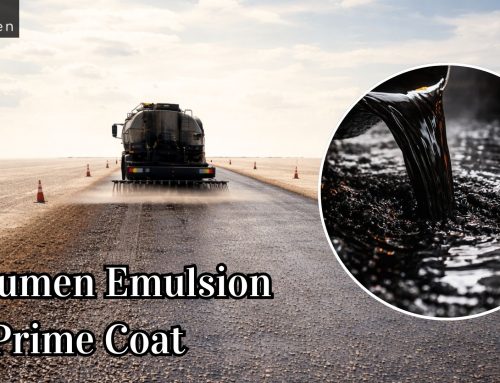
Equipment Used for Tack Coating
The bitumen distributor used for this kind of asphalt coating must be capable of:
Delivering uniform spray distribution
Accurately controlling spray rate
Maintaining clean and properly aligned nozzles
Allowing quick start and stopping spraying
Proper equipment calibration ensures consistent tack coat quality.
Quality Control and Inspection
Bitumen emulsion used for tack coat must comply with relevant technical standards. Application rates are typically checked using tray tests at specified intervals to ensure uniform distribution and correct consumption.
In a Nutshell
Tack coat using bitumen emulsion is an essential process in the construction and rehabilitation of asphalt pavement. The choice of materials, surface preparation, application rate, and climatic conditions are important factors that need to be taken into account in order to attain long lasting pavement performance. If this kind of coating done properly, can improve the durability and quality of the pavement.

Leave A Comment